
Stop the Comparison Spiral of Comparing Yourself to Other Coaches
Ever catch yourself scrolling and wondering, Why am I not there yet? You’re not alone. In this episode of the Craft of Coaching, we’re naming the comparison spiral that so many coaches fall into—especially in a world where highlight reels dominate.
We break down exactly how comparison derails your intuition, your business decisions, and your confidence—and what experienced coaches do differently to stop it in its tracks. You’ll hear practical, grounded strategies for staying focused on your path, building your coaching business with integrity, and reconnecting with your own metrics for success.
If you’ve ever felt like everyone else is ahead of you, or like you need to be louder or flashier to “make it,” this episode will rewire the way you see your coaching journey.
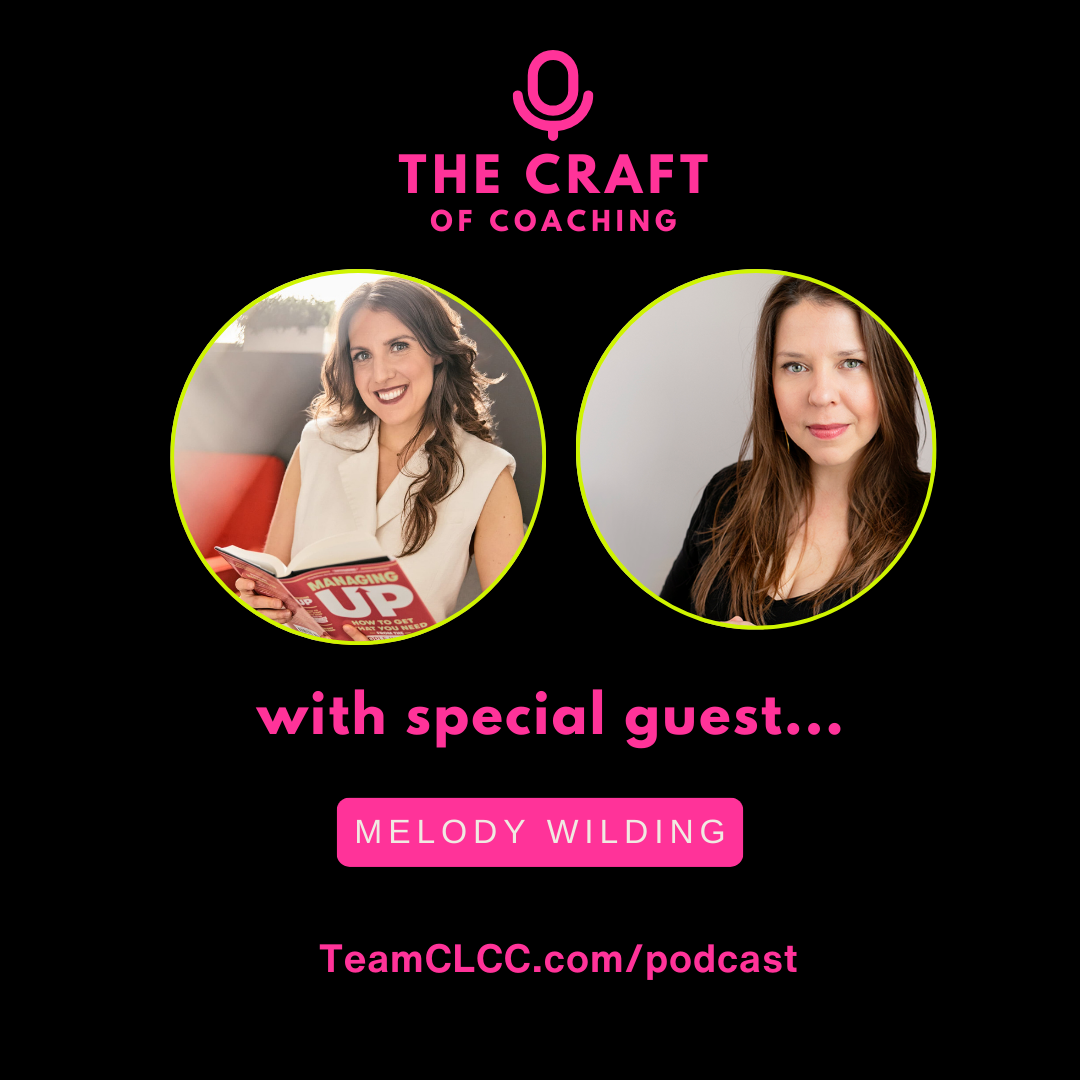
Coaching Clients through Workplace Conflict: Managing Up with Melody Wilding
When a client says "my manager is the problem," what do you do with that? In this episode, we're joined by Melody Wilding — executive coach, speaker, and author of Managing Up — to talk about one of the most common and least discussed challenges in coaching: helping clients navigate difficult relationships with the people above them at work.
Melody breaks down why coaching clients through workplace conflict starts not with confrontation, but with two deceptively simple conversations: alignment and communication styles. We dig into a real client story — a Chief People Officer who went from being told she might be "incompetent or over her head" to earning a six-figure bonus — and what actually shifted. We also talk about how coaches can use proprietary assessments to demonstrate client progress to organizational stakeholders, and how Melody built a speaking business from zero, starting with free talks and a clear ask.
Whether you're working with clients in corporate environments or thinking about expanding into organizational coaching yourself, this episode is full of the kind of concrete, actionable strategy that makes the work better.
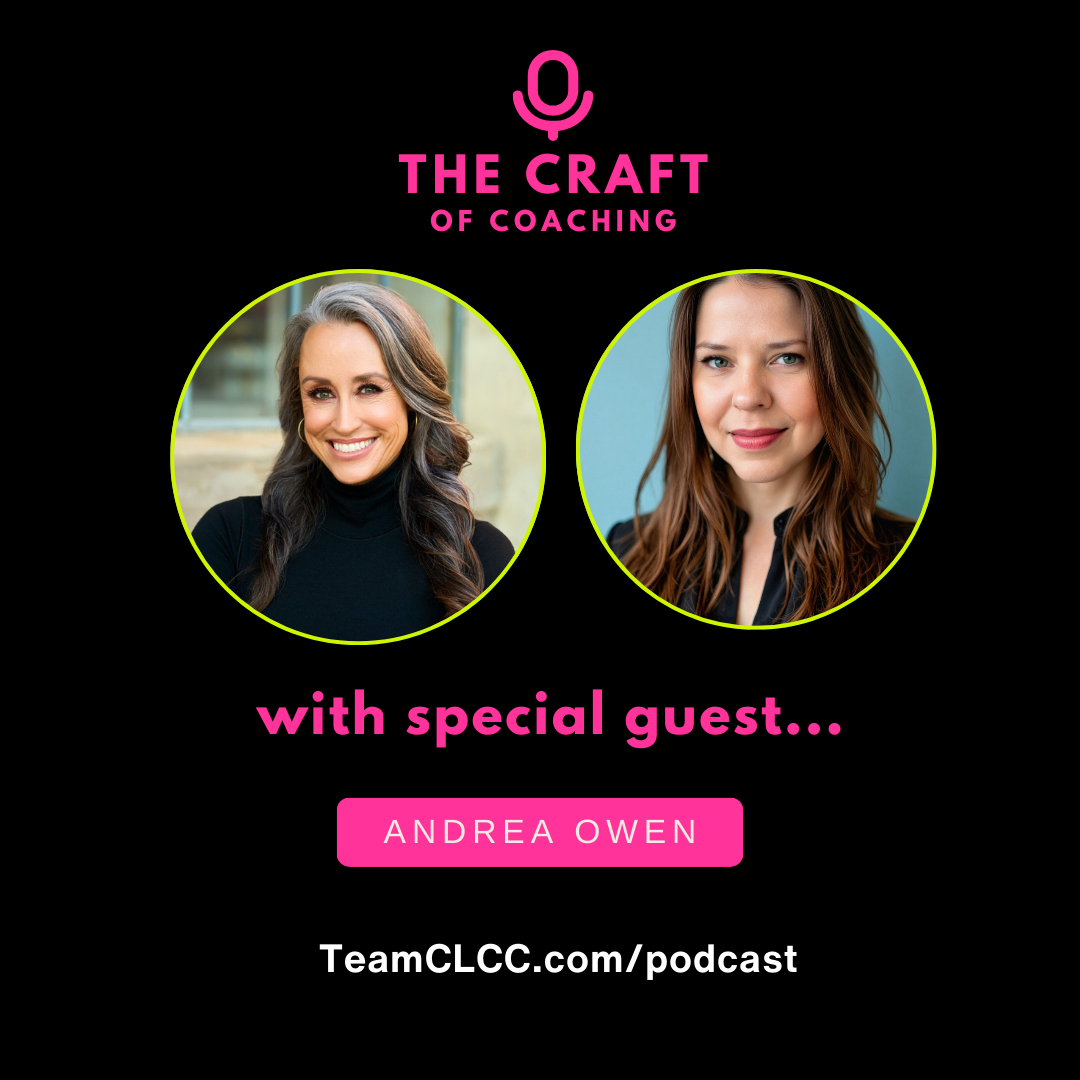
Live Like You Give a Damn with Andrea Owen
What does it really take to get honest and face hard things — in your coaching practice, and in your life? In this episode, we're joined by Andrea Owen, author of Live Like You Give a Damn: 25 Bold Moves to Get Honest and Face the Hard Stuff, for a conversation that goes well beyond coaching technique.
We’re digging into how the coaching industry has shifted from "good vibes only" toward doing real, deep transformative work — and what that shift has demanded of coaches personally. We explore the art of self-management when your client triggers something unhealed in you, how to use transparency as a coaching skill without making the session about yourself, and the hard-won wisdom that comes from taking a step back when life gets heavy.
If you've ever wondered how much of your own story to share or how to come back to your practice after a difficult season — this one is for you. Andrea doesn't sugarcoat it. Neither do we.

Coaching vs Mentoring vs Therapy: What’s the Difference?
There’s a line—and every coach needs to know where it is. When a client starts unraveling childhood trauma, asking for advice, or bringing deep grief into the session… are you coaching, mentoring, or sliding into therapy without meaning to?
This episode is for the coach who cares deeply—and doesn’t want to cause harm. We’re digging into the ethical gray zones where even experienced coaches can lose footing. What do you say (or not say) when a client wants emotional healing you’re not trained to offer? How do you hold firm to scope without abandoning your client in a hard moment?
We’ll break down real-world examples and the invisible pressures that get good coaches in trouble: the urge to “fix,” the fear of being too hands-off, the temptation to become a therapist-lite. You’ll leave this episode with clearer boundaries, stronger confidence, and language you can actually use when a session goes off-road.
Being an ethical coach doesn’t mean holding back—it means knowing your role and showing up with grounded, skillful presence.